
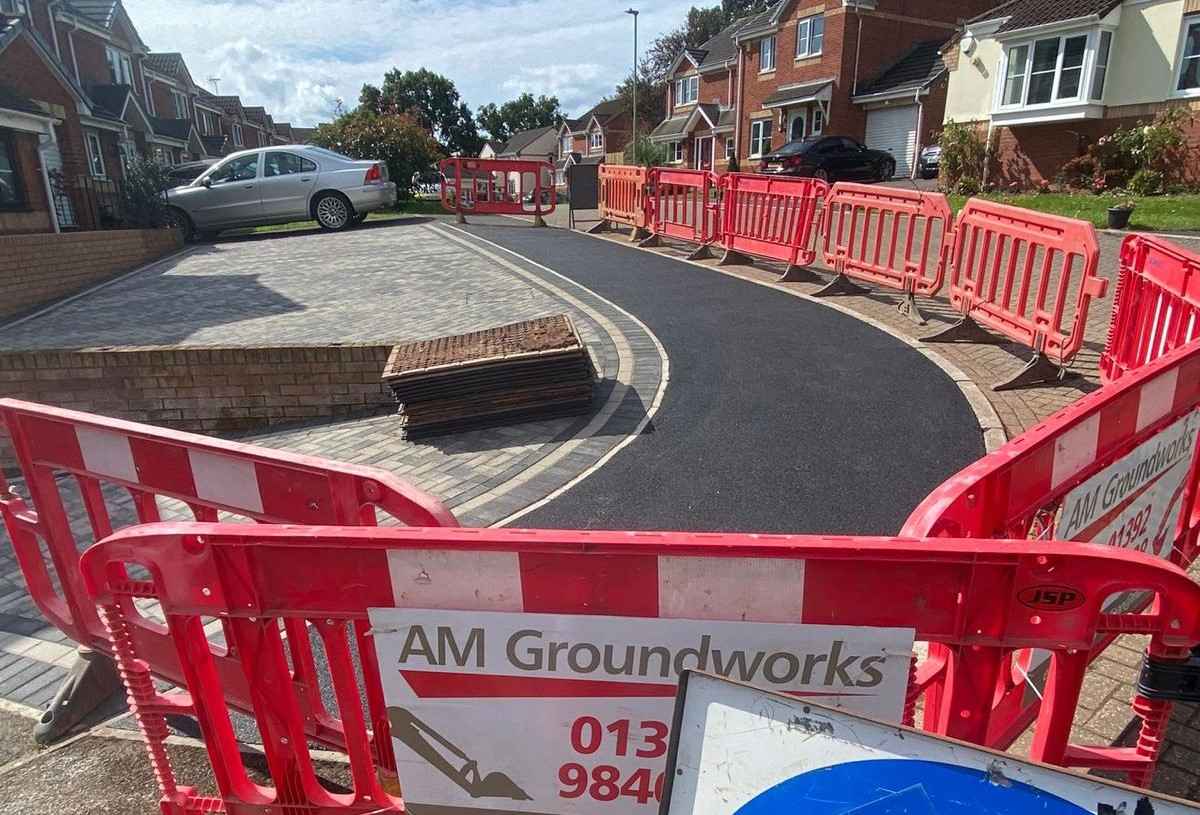
Most standard homes do not need planning permission to install a dropped kerb on an unclassified road. However, you always need a dropped kerb licence (highway approval) from your local council’s highway department before any work starts.
When installing a dropped kerb on your property, it is crucial to understand the applicable regulations and requirements. A dropped kerb lets vehicles cross the public pavement to reach private property, making it suitable for property owners. However, installing a dropped kerb might need planning permission, depending on where it is and the type of road involved.
A dropped kerb allows vehicles to cross the pavement to access the private driveway. It is a pavement section where the edge is dropped so vehicles can easily access a driveway. It also enables safe, private parking and can increase your property’s worth.
The vehicle crossover is part of the public highway, and the council manages it. The dropped kerb and footpath access are not considered part of your property. That is why you cannot use it for parking because blocking a public footway is a crime.
You may need planning permission in many cases before installing a dropped kerb.
When your property is on a classified road, you will require planning permission. These roads are essential pathways, and any kerb changes may affect traffic movement and safety.
When your property is a flat or commercial property, you require planning permission.
If your planned dropped kerb is outside your own property boundary and covers public or shared green areas, you must obtain planning permission.
You need planning permission when your approach assists multiple homes.
You need planning permission if your dropped kerb requires technical work.
You need planning permission when your property is a listed building or falls within a protected natural zone. Changes to external features may affect its historical character.
When your work affects a tree subject to a Tree Preservation Order.
When your driveway includes over 5 m² of impermeable paving, like asphalt.
There are two key scenarios when you do not require planning permission are
If your property is on privately owned land and kept separate from public areas or roads, you generally don’t need planning permission.
When your property lies on unclassified roads or privately owned land, you might not need planning permission, but you must contact your local authority for official approval. For example, apply for a dropped kerb licence.
If you are considering a dropped kerb, you need to know whether you need planning permission. It depends on your specific conditions. Applying for planning permission requires a comprehensive application process and adherence to specific rules.
When you apply for planning permission for a dropped kerb, you have to complete the form issued by the local Council. You can find these forms on the Council’s website or pick them up directly from the office.
The application form requires you to provide your property details, your planned dropped kerb, and any evidentiary material. You might need to provide a block plan, photos, and a written your project overview.
When your application form is completed, you have to pay the needed application fee. Many councils receive payments by credit card or cheque. After you submit the application, officials review it, and you will receive a decision later.
Installing a dropped kerb without the required planning permission can result in several penalties. Some of these are as follows:
In some situations, the Council may require you to restore the pathway at your own expense.
Your local authority may impose charges for unapproved modifications to public infrastructure.
Constant violations may result in additional legal proceedings, possibly increasing the expenses and slowing down your project.
Hence, it is important to make sure you follow the right planning method from the start.
The cost of installing a dropped kerb depends on many factors. Some of these factors are
The local highway authority charges a fee for managing the driveway application. This is in addition to planning application charges where required.
When you need planning permission, you have to pay the Council’s planning application fee. The cost is about £348.
To install a dropped kerb, you will have to hire an expert to complete the work. The average cost for the installation process can range from £1,000 to £2,500, but the total cost is determined based on location, kerb size and intricacy.
Some councils may require a survey or review before and after installation, which can increase costs.
Other fees may apply based on your project, e.g. service alteration, extraction, removing trees, planting new ones, etc.
Knowing the required legal standards for dropped kerbs is important for property owners. You can save yourself time and avoid possible problems afterwards by understanding when planning permission is needed. By following the defined procedures and seeking early advice where required, individuals can make sure they comply with all rules and regulations and avoid unnecessary problems. Stay updated so you can make informed choices about dropped kerbs and property access.