
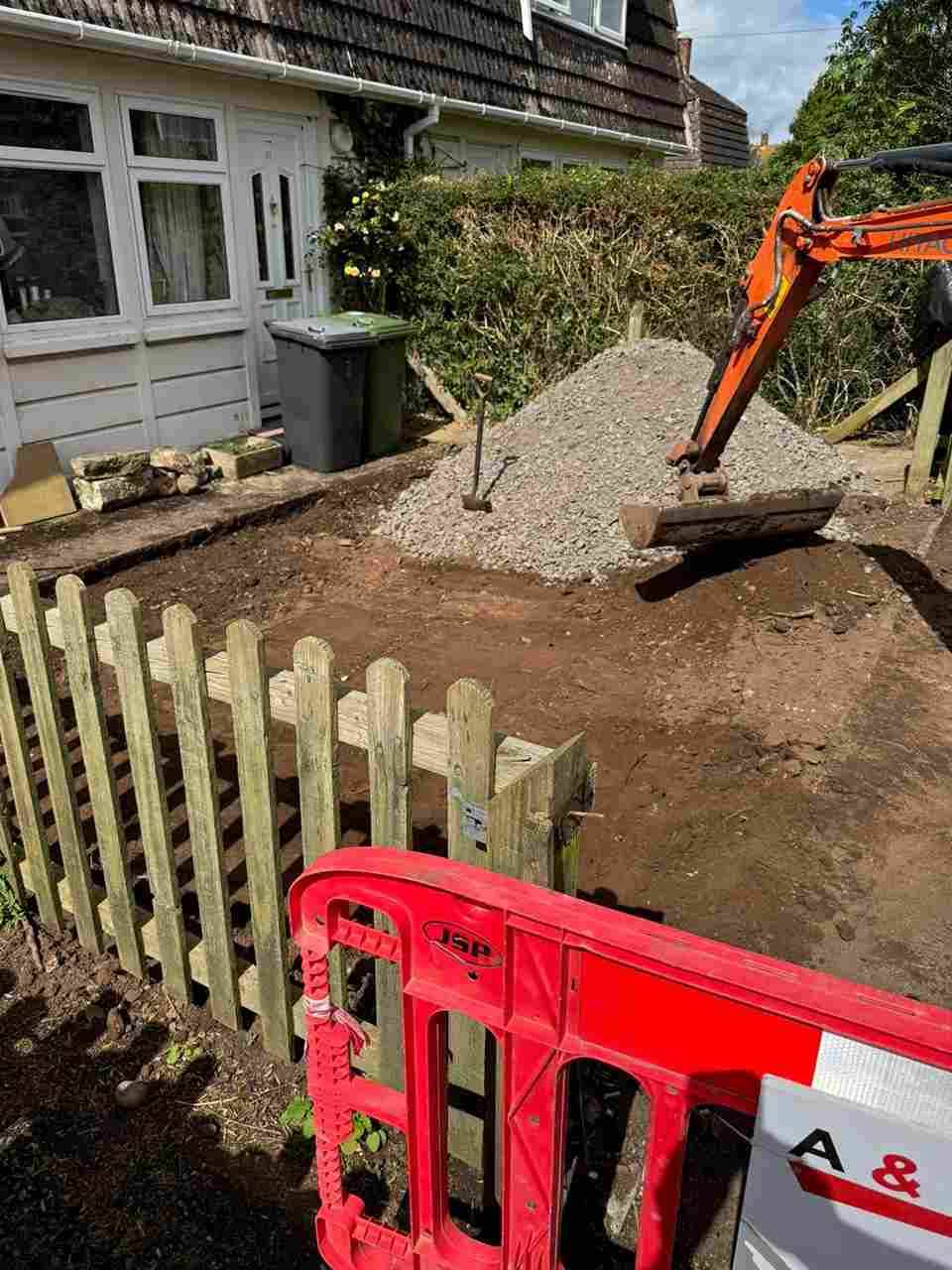
Groundworks are a significant step that is done before any construction process starts. This process involves site clearance, excavation, drainage installation, foundation laying, and utility connections, ensuring that the building has a solid foundation.
The costs of groundwork can range from £5,000 to over £50,000. However, the final cost varies with the scope of the project, the condition of the ground, the location, etc. By understanding the groundwork costs, you can plan your budget effectively and avoid overspending.
Groundworks comprise various services based on your construction project’s type and size.
Before construction starts, it is key to clear the site of any hindrances. This includes the removal of the old structures, waste materials, vegetation, and debris. Clearing the site provides a safe and accessible area for the contractors to work and prepares the ground for excavation. The average costs of site clearance typically range from £500 to £5,000.
One of the most common groundwork activities is excavation. It is the process through which the digging and levelling of the land is carried out to prepare the site for essential underground services and sturdy foundations. The average cost of the excavation is between £1,000 and £10,000+. This cost varies depending on how much excavation is required, the required depth of the foundation, and the condition of the ground.
The most crucial part of the construction project is the foundations. Key types of foundations, including strip foundations, trench fill foundations, piled foundations, and raft foundations, play a significant part in ensuring a robust structure. Selecting the right foundation type for your project is necessary and depends on the architectural design and the local ground conditions. The average expense can be between £4,000 and £25,000+. This process makes sure that ground stability is maintained and transfers the building load to the ground.
Installing an effective drainage system protects the building structures from water damage and also prevents the storage of water. Long-term stability of the property can be achieved by maintaining a well-designed drainage system. The average cost of this installation ranges from £2,000 to over £15,000+. Additionally, the drainage installation process includes foul water drainage, soakaways, inspection chambers, surface water drainage, and drain connections.
The utility connections in the groundwork involve routing and installing the underground infrastructure, including water, gas, electricity, telecommunications, and sewage systems, before covering the surfaces. This process helps make the building site functional. The average costs for utility connection range from £1,500 to £10,000+, depending on the site condition, distance to the main network, and service demand.
Site conditions can have a big impact on groundwork costs. Multiple factors are involved:
The size of the project also influences the costs. Here are some key points:
Groundwork costs are greatly impacted by the costs of raw materials and a qualified workforce.
Groundwork costs differ as every site is unique and has different conditions, access requirements, and construction demands. A small project might need basic digging, while a larger one requires deeper foundations, utilities, drainage, and special equipment. That’s why it is necessary to schedule a professional site evaluation before agreeing on any fixed price.
By understanding what groundwork involves and what factors help determine the overall cost, you can plan your budget more precisely.