
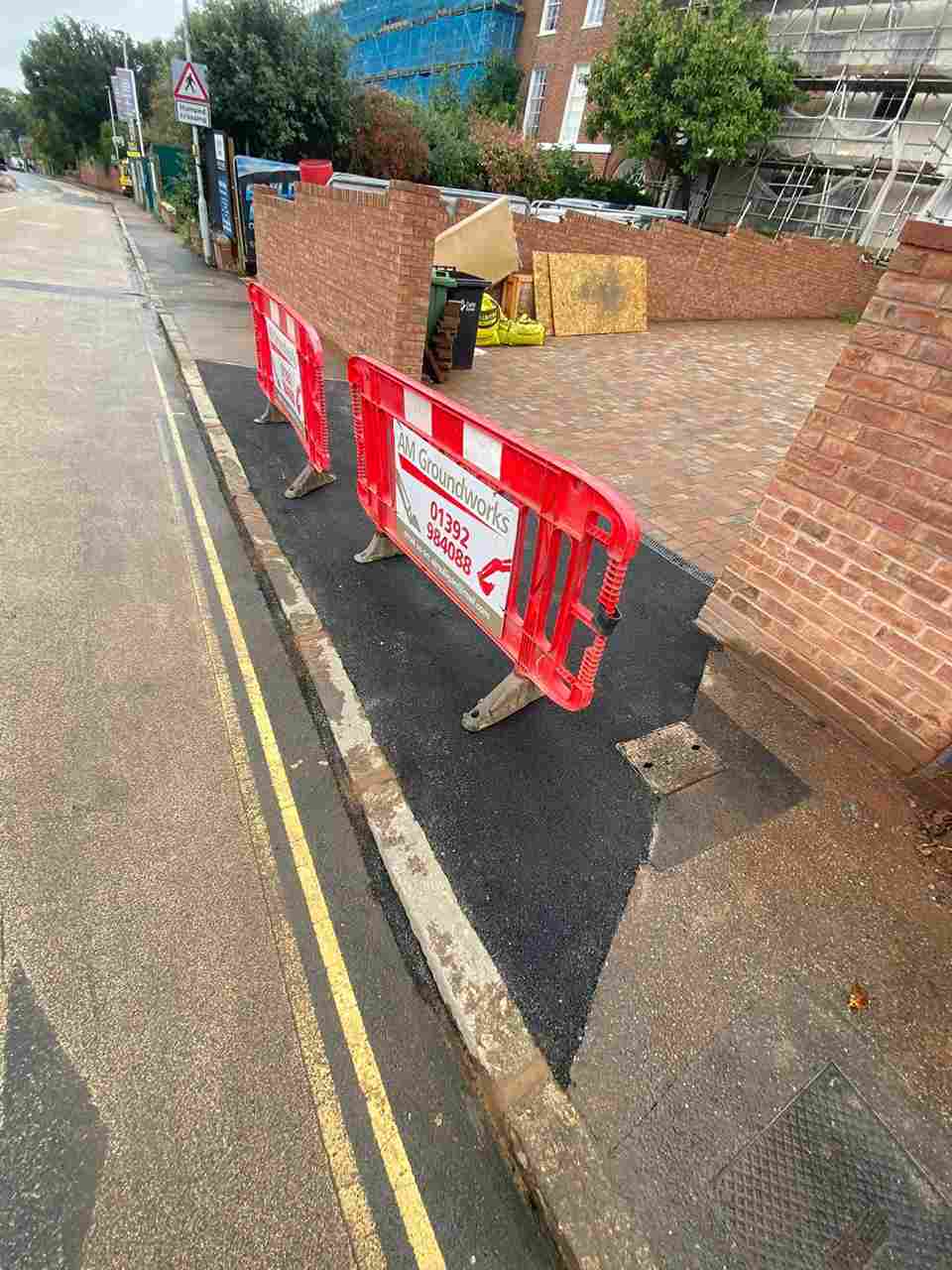
A dropped kerb can make everyday life much easier by providing safe and convenient access from your driveway to the road. It allows vehicles to cross the pavement without damaging the footway or creating safety risks for pedestrians. However, many homeowners wonder whether it is possible to get a free dropped kerb and what steps are involved in applying for one.
In most cases, installing a dropped kerb is not completely free because the work usually involves council approval, specialist contractors, and modifications to the pavement. However, there are certain situations where you may qualify for financial assistance or a free installation, particularly if the dropped kerb is required due to accessibility needs.
Understanding the application process, eligibility requirements, and possible costs can help you make the right decision before starting the project. This guide explains everything you need to know about how to get a free dropped kerb, who may qualify, and what alternatives are available.
A dropped kerb is a section of pavement where the kerb height has been lowered to create a smooth transition between the road and a private driveway. It allows vehicles to safely enter and leave a property without mounting a standard raised kerb.
Dropped kerbs are commonly installed for:
A standard pavement is designed for pedestrians, so driving over a normal kerb can damage the pavement, underground services, and even your vehicle. A properly installed dropped kerb provides a safer and legally approved solution.
The possibility of getting a free dropped kerb depends on your circumstances and your local council’s policies. For most homeowners, the cost of applying for and installing a dropped kerb must be paid privately.
However, some people may qualify for a free dropped kerb installation through council support schemes, especially where the dropped kerb is needed because of a disability or mobility issue.
For example, if a resident cannot safely access their home due to mobility difficulties, they may be able to apply through a Disabled Facilities Grant (DFG) or another local authority support programme.
The availability of funding varies between councils, so you will need to check the specific requirements in your area.
Not everyone will qualify for a free dropped kerb. Councils usually consider the reason why the dropped kerb is required rather than simply whether a homeowner wants easier vehicle access.
You may have a higher chance of receiving assistance if:
People with disabilities or physical conditions that affect movement may be eligible for financial support. A dropped kerb can help wheelchair users, people using walking aids, or residents who struggle with uneven surfaces.
If the lack of a dropped kerb prevents someone from entering or leaving their property safely, the council may consider funding options.
Some councils require an occupational therapist or healthcare professional to assess your needs before approving assistance.
The main purpose of funding schemes is usually to improve independence and safety rather than provide additional parking convenience.
If you believe you may qualify for a free dropped kerb, follow these steps to begin the process.
The first step is to contact your local highways department or council website. They will explain whether your area offers any free dropped kerb schemes or financial support.
Each council has different rules regarding:
Your council will confirm whether you need to apply for a dropped kerb licence or a separate funding assessment.
If your application is based on disability or mobility requirements, the council may arrange an assessment.
An occupational therapist may visit your property to understand your needs and determine whether a dropped kerb would improve your independence.
They may consider:
This assessment helps the council decide whether funding support is appropriate.
Once you understand the requirements, you can submit your application. You may need to provide:
The council will review your application before deciding whether approval or funding can be provided.
If approved, the council will explain the next steps. Some councils complete the work themselves, while others require you to use an approved contractor.
Professional contractors such as A and M Groundworks can help with preparing the area, completing groundwork, and ensuring the installation meets required standards.
A properly installed dropped kerb should include:
Many homeowners are surprised to discover that dropped kerbs normally involve costs. This is because the work affects public highways and requires specialist construction.
The installation may involve:
The pavement outside your home is usually maintained by the local authority, meaning changes cannot normally be made without permission.
The cost of a dropped kerb varies depending on several factors, including your location, pavement type, and the amount of work required.
Typical costs may include:
Prices can increase if the pavement requires extra repairs, drainage improvements, or specialist materials.
Before starting work, it is important to receive approval and obtain quotations from qualified contractors.
Yes, in some cases a free dropped kerb may be available if it is required for disabled access. Local councils often have schemes designed to improve accessibility for residents with disabilities.
However, approval is not automatic. The council usually needs evidence that the dropped kerb is necessary for daily living and will significantly improve access.
A simple request for easier parking is unlikely to qualify for free installation.
You cannot normally install a dropped kerb yourself because it involves altering the public highway. Even if you own the property, the pavement outside your home belongs to the local authority.
Unauthorised kerb modifications can lead to:
Always apply for permission before carrying out any work.
Some homeowners drive over a standard kerb because they want quick access to their driveway. However, this can cause several problems.
Regularly mounting a raised kerb can:
A dropped kerb provides a safer and approved access solution.
Councils consider several factors before approving an application. These may include:
The council must ensure the dropped kerb does not create risks for drivers, pedestrians, or cyclists.
Some areas have restrictions due to road layouts, traffic levels, or conservation requirements.
Your property usually needs enough space for a vehicle to park safely without blocking the pavement.
Gas pipes, water connections, electricity cables, and drainage systems may affect whether installation is possible.
If you do not qualify for a free dropped kerb, there may still be other options.
You could consider:
Planning carefully can help reduce unexpected costs.
Many homeowners face delays because they make mistakes during the application process.
Avoid these common issues:
Never begin construction before receiving council approval.
Some councils require specific contractors who meet highway standards.
Poor drainage planning can cause water pooling and damage.
Every application is assessed individually, and approval depends on several factors.
Even when a dropped kerb is not free, it can provide several long-term benefits.
A dropped kerb makes entering and leaving your driveway smoother and safer.
A properly designed driveway with legal vehicle access can improve the appearance of your property.
Avoiding raised kerbs helps protect tyres, suspension, and vehicles.
Dropped kerbs provide essential support for people with mobility challenges.
Getting a free dropped kerb is possible in certain circumstances, but it is usually linked to accessibility needs rather than general parking convenience. Homeowners who require improved access due to disability or mobility issues may be able to receive support through council schemes.
The first step is to contact your local authority and understand their eligibility requirements. If you do not qualify for free installation, you can still apply for permission and arrange professional installation through an approved contractor.
A dropped kerb is a valuable improvement that enhances safety, accessibility, and convenience when installed correctly. Taking the proper steps will help you avoid unnecessary costs and ensure your driveway access meets legal requirements.
Yes, some homeowners may qualify for a free dropped kerb if it is required for disability access or mobility reasons. However, most standard driveway dropped kerbs must be paid for privately.
In most cases, the homeowner pays for the application, approval process, and installation costs. However, eligible residents may receive support through council funding schemes.
You should contact your local council highways department and explain why you need a dropped kerb. If accessibility is the reason, you may need an assessment before approval.
No, you usually need permission from your local authority because the work involves changing the public highway. Installing one without approval can result in penalties.
The timeframe depends on your local council, application complexity, and whether inspections or assessments are required. Some applications may take several weeks or longer.