
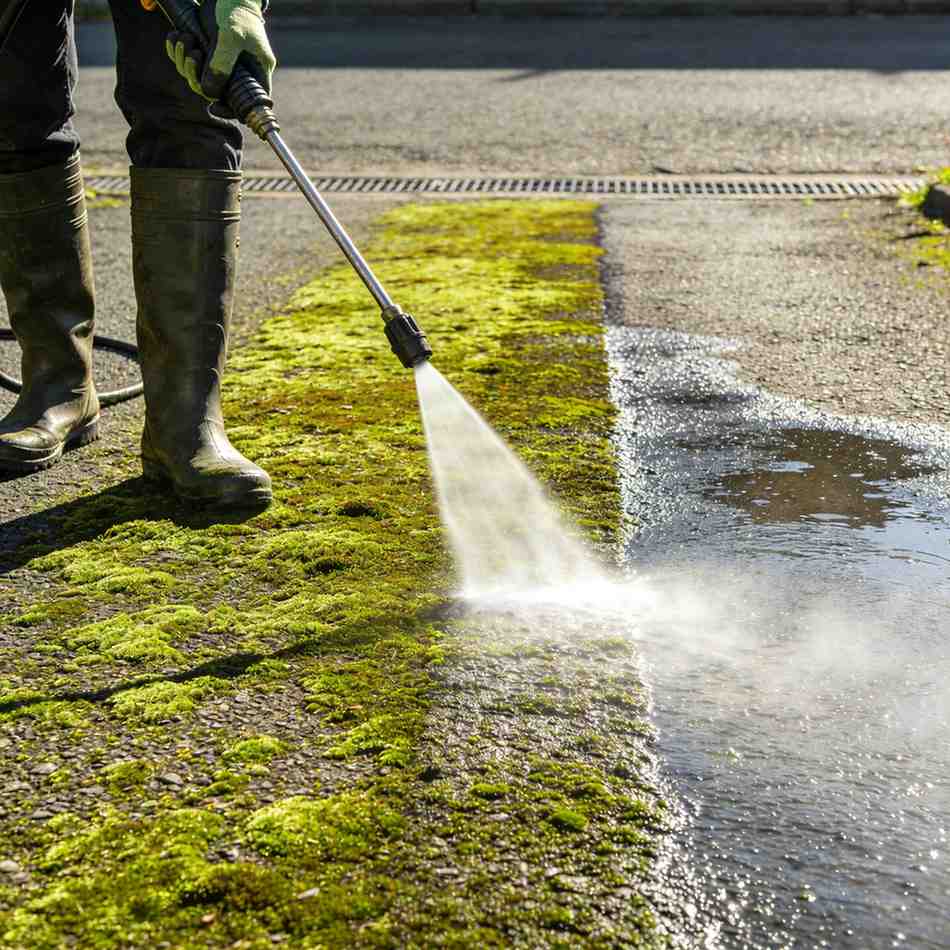
Moss can be a persistent problem on tarmac driveways. If left untreated, it can trap moisture, affect the appearance of the surface, and gradually contribute to damage over time. That is why it is important to understand the most effective ways to remove and prevent moss growth.
In this blog, we will discuss what moss is and how to remove it from your tarmac driveway. We have also discussed its root causes and tips to prevent the growth of moss on your tarmac surfaces.
Moss is a non-vascular plant that appears in dense green clumps or mats, typically present in damp, shady locations. Most common areas where the moss grows are:
In the first step, assess the moss growth on your tarmac driveway. It helps you to know the size of the areas where the growth has occurred and also the spots that are affected.
Tools are required in the process of cleaning the moss from your tarmac driveway. Some essential ones are listed below:
To clean the moss from your tarmac driveway, apply chemicals directly to the area where the excessive growth has occurred. Try to avoid the use of too much chemical; it may harm your surface. For small patches, you can also use natural alternatives such as vinegar or baking soda, which you can directly apply to the moss.
Use a stiff-bristle brush to scrub away the moss from the surface of your tarmac driveway. This helps remove built-up growth effectively while keeping the driveway clean and well-maintained.
After scrubbing, rinsing can be done with water to clean the dead moss, debris, and cleaning chemicals. Make sure to use the right amount of water pressure to prevent the surface from damaging.
In the end, inspect the driveway to see if there is any remaining moss. If so, then repeat the process to remove stubborn patches of moss.
Moss commonly develops in areas exposed to excessive shade and damp conditions. If left untreated, it can create a slippery surface and trap moisture beneath it, which may gradually damage your tarmac driveway. Understanding the root cause of moss growth can help you take the right steps to prevent it from returning.
Many factors can lead to the growth of moss. Some of the key factors are given below:
Areas that receive little to no sunlight are more likely to encourage moss growth, especially when combined with damp conditions.
Moss often develops on surfaces where moisture remains for long periods. Excess dampness can weaken the surface over time and may contribute to cracks and damage in your tarmac driveway.
Chances of moss development can significantly increase in cold temperatures, such as winter season.
The best time to clean the moss from your tarmac driveways is late spring and early autumn, because in these seasons the temperature is mild with less moisture. At that time, moss killers can be very effective and ensure that the moss is cleaned.
To protect your tarmac driveway, it is important to select the right product for moss removal. There are two types of products that you can use for this purpose:
The chemicals are most effective in removing mosses as they include ingredients like ferrous sulphate, which directly attack and kill the moss. These chemicals are mainly used to remove excessive amounts of moss.
Some natural alternatives, such as vinegar or baking soda, are also used for removing the moss. It can help to remove the small patches and provide an eco-friendly solution. Natural remedies need repeated applications to gain a lasting result.
Some prevention tips to keep your tarmac driveways from growing moss are given below:
In the end, moss growth on your driveway can be reduced using two methods: natural solutions and chemical treatments. These can be chosen based on your preferences. Natural solutions are eco-friendly and suitable for small patches, while chemical treatments are more effective for heavier moss growth and provide faster results. Regular cleaning and maintenance can also help prevent moss from returning. If you are experiencing moss problems on your tarmac driveway, the professionals at A and M Groundworks can help restore and maintain its condition.