
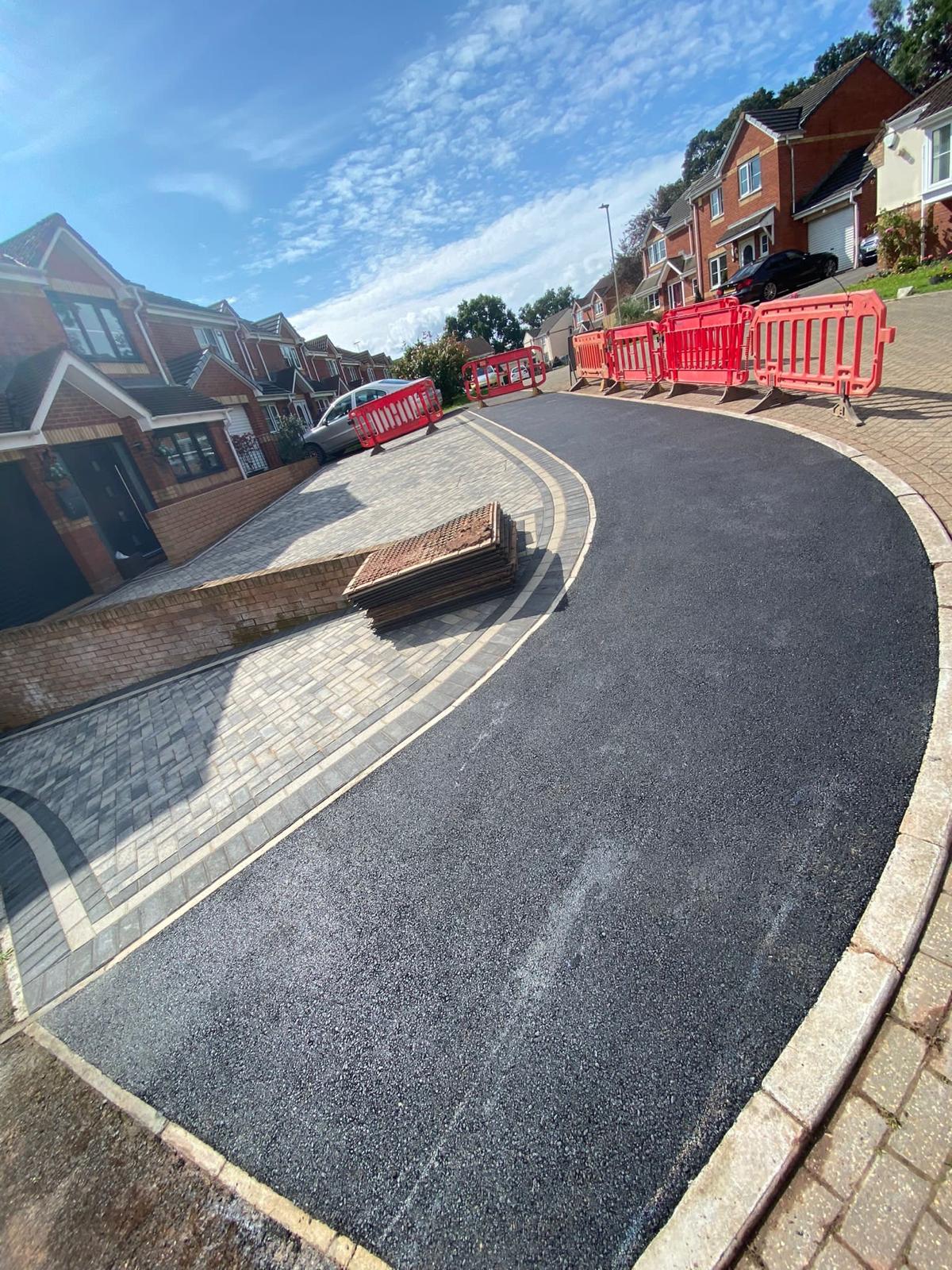
To remove oil from a driveway, cover fresh oil with an absorbent material such as cat litter, baking soda, sand, or sawdust. Leave it to soak up the oil, then sweep it away. Next, apply a driveway-safe degreaser, scrub the stain with a stiff brush, allow the cleaner to break down the oil, and rinse with warm water. For older stains, use a specialist oil stain remover and repeat the process if needed.
Oil stains on a driveway can make even a tidy property look messy. Whether the mark has come from a leaking car, a motorbike, garden machinery, a van, or an accidental spill during maintenance, oil can quickly leave a dark patch that refuses to disappear with plain water. The annoying part is that the longer it sits there, the harder it becomes to remove. Because apparently oil also believes in long-term commitment.
Driveways deal with a lot every day. They take the weight of vehicles, foot traffic, rain, frost, moss, dirt, tyre marks, and general outdoor wear. When oil lands on the surface, it does not behave like mud or dust. It clings, spreads, and can soak into porous materials such as concrete, block paving, paving slabs, and natural stone. Even tarmac and resin surfaces can stain if the oil is left untreated for too long.
The good news is that most driveway oil stains can be removed or at least greatly reduced if you use the right method. The best approach depends on the type of driveway, the age of the stain, and how deeply the oil has soaked in. This guide explains how to remove oil from a driveway safely, what products to use, what mistakes to avoid, and how to prevent the same problem from returning.
Oil is difficult to clean because it does not mix with water. If you pour water onto an oil stain, the water often runs over or around it instead of lifting it. Worse still, using a hose or pressure washer too early can spread the oil across a larger area.
Many driveway surfaces are also porous. Concrete, block paving, and natural stone have tiny holes and gaps that allow oil to sink below the surface. Once oil gets into these pores, it becomes much harder to remove because you are no longer just cleaning the top layer. You are trying to draw the stain out from inside the material.
The age of the stain matters too. A fresh oil mark may still be sitting close to the surface, while an older stain may have mixed with dirt, dust, and moisture. Warm weather can also make oil thinner, helping it sink deeper into the driveway. This is why oil stains often look darker and more stubborn over time.
Before starting, gather the right tools and cleaning materials. This saves time and helps avoid damage to the surface.
You may need:
Always check the label before using any cleaning product. A cleaner that works on concrete may not be safe for resin, tarmac, or natural stone. If you are unsure, test it on a small hidden area first.
If the oil stain is fresh, your first job is to stop it spreading. Do not pour water on it straight away. Water can push the oil across the driveway and make the stain larger.
Instead, cover the oil with an absorbent material. Cat litter is one of the best options because it can soak up oil effectively. Baking soda, dry sand, sawdust, or absorbent granules can also work well.
Pour a generous amount over the stain and leave it for at least 30 minutes. For larger spills, leave it for several hours or overnight. Once the oil has been absorbed, sweep up the material carefully and dispose of it responsibly.
This step may not remove the stain completely, but it reduces the amount of oil that can sink into the driveway.
For small or fresh oil marks, washing-up liquid can be surprisingly useful. It is designed to cut through grease, so it can help break down lighter oil stains.
Apply washing-up liquid directly to the stained area. Add a little warm water and scrub the surface with a stiff brush. Work the solution into the stain using firm circular movements. Leave it for around 10 to 20 minutes, then scrub again and rinse with clean water.
This method works best for light oil drips, fresh grease marks, small vehicle fluid stains, and sealed driveway surfaces. It may not be strong enough for old engine oil stains, but it is a safe first method before moving on to stronger cleaners.
If washing-up liquid does not lift the stain, use a driveway degreaser. Degreasers are made to break down oil, grease, and vehicle fluids, making them easier to remove from the surface.
Apply the degreaser according to the product instructions. Some are ready to use, while others need to be diluted. Cover the stained area fully and leave the cleaner to work for the recommended time. This gives it a chance to loosen the oil.
Next, scrub the stain firmly with a stiff-bristled brush. Scrubbing helps lift the oil from the pores of the driveway. Once finished, rinse the area thoroughly with clean water.
A degreaser can work well on concrete driveways, block paving, paving slabs, garage entrances, parking areas, and older grease marks. For stubborn stains, you may need to repeat the process.
Baking soda is a useful option for smaller stains or for homeowners who want a gentler cleaning method. It can absorb oil and create a mild scrubbing paste when mixed with water.
Sprinkle baking soda over the stain and add a little water to form a paste. Scrub it into the surface with a brush and leave it for around 30 minutes. After that, scrub again and rinse with warm water.
This method is best for fresh oil marks, light surface stains, and areas where harsh chemicals are not suitable. It may not fully remove old engine oil, but it can improve smaller marks without putting the driveway at risk.
Old oil stains are more difficult because the oil has usually soaked deeper into the driveway. A basic cleaner may remove some surface grime but leave a dark shadow behind. For this type of stain, a specialist oil stain remover is often the better choice.
These products are designed to pull oil from porous surfaces. Some work as liquid cleaners, while others dry into a powder or paste that draws the oil out as it sets. Once dry, the residue can be brushed away.
Specialist removers are useful for old engine oil stains, black oil patches, long-term vehicle leaks, concrete stains, block paving stains, and stubborn grease marks. Always follow the instructions carefully and do not leave strong products on longer than recommended.
Concrete is durable, but it is also highly porous. This means oil can soak in quickly and leave a dark stain.
For fresh oil on concrete, absorb the spill first with cat litter, sand, or baking soda. Then apply washing-up liquid or a concrete-safe degreaser and scrub firmly. Rinse well and check the result once the surface is dry.
For older stains, use a specialist concrete oil remover. Deep stains may need several treatments. Very old oil marks may not disappear completely, but they can usually be made much lighter.
Avoid relying on bleach. Bleach may lighten the surface, but it does not properly break down oil and can leave uneven patches.
Block paving can be tricky because oil may stain both the blocks and the jointing sand. If oil gets into the sand, the stain may spread or reappear after cleaning.
Start by absorbing fresh oil. Then apply a block paving-safe degreaser and scrub the stained blocks. Rinse gently with water. If you use a pressure washer, avoid blasting out the jointing sand. Once the area is dry, you may need to brush fresh kiln-dried sand into the joints.
If one or two blocks are badly stained and cannot be cleaned, they may be replaced individually. That is one of the advantages of block paving.
Tarmac needs care because some strong chemicals and solvents can soften or damage it. Avoid petrol, diesel, harsh solvents, or cleaners that are not marked as tarmac-safe.
For fresh oil, absorb as much as possible first. Then clean the area with warm water and washing-up liquid. Scrub gently and rinse carefully. If the mark remains, use a tarmac-safe degreaser.
Avoid aggressive pressure washing on old or cracked tarmac, as it can loosen the surface.
Resin driveways should be cleaned gently. Start with warm water and mild detergent, using a soft or medium brush. If the stain remains, use a resin-safe cleaner and follow the manufacturer’s guidance.
Natural stone also needs careful treatment. Avoid vinegar, acids, and random harsh chemicals. Use an absorbent material first, then apply a stone-safe degreaser or poultice cleaner. Always test any product on a hidden area before treating the main stain.
A pressure washer can help rinse away loosened oil, but it should not be used as the first step. If you pressure wash untreated oil, it may spread across the driveway or be pushed deeper into the surface.
The best method is to absorb the oil, apply a degreaser, scrub the stain, and then rinse with a pressure washer on a suitable setting. Keep the nozzle moving and avoid holding it too close to the surface.
Be careful on block paving, old tarmac, resin, natural stone, and damaged concrete. Used wrongly, a pressure washer can turn one stain into a bigger repair job. Human progress, naturally.
The safest method is to identify the driveway material first, then choose a suitable cleaner.
Prevention is easier than removal. If a vehicle is leaking oil, repair the fault as soon as possible. Cleaning the driveway will not help much if the same leak keeps returning every day like a badly written sequel.
Use a drip tray or protective mat under vehicles with leaks. If you carry out car maintenance at home, place cardboard or an oil-resistant mat under the working area.
Some driveways can also be sealed to reduce oil absorption. A good sealer will not make the surface completely stain-proof, but it gives you more time to clean spills before they sink in.
Useful prevention tips include fixing vehicle leaks quickly, using drip trays, cleaning spills straight away, sealing suitable surfaces, avoiding oil changes directly on the driveway, and washing the driveway regularly.
For homeowners looking to improve stained, damaged, or ageing outdoor surfaces, A and M Groundworks can help with reliable driveway and groundwork solutions that improve both appearance and durability.
Removing oil from a driveway takes the right cleaner, the right method, and some patience. Fresh stains should be absorbed before water is used. After that, washing-up liquid, baking soda, a degreaser, or a specialist oil stain remover can be used depending on the stain and driveway material.
Concrete and block paving often need stronger treatment because they absorb oil easily. Tarmac, resin, and natural stone need more care because harsh products can damage the surface. A pressure washer can help, but only after the oil has been treated properly.
The sooner you act, the better the result. Old stains may need repeated cleaning, but most can be improved with the right approach.
The best way is to absorb fresh oil with cat litter, baking soda, sand, or sawdust, then apply a driveway-safe degreaser. Scrub the stain, leave the cleaner to work, and rinse thoroughly.
Yes, old oil stains can often be reduced or removed, but they may need a specialist oil stain remover and repeated treatment. Very deep stains may leave a faint mark.
Washing-up liquid can help with small or fresh oil stains because it breaks down grease. For darker or older stains, a stronger degreaser is usually more effective.
Pressure washing is safe only after the oil has been treated with a degreaser. Using it first can spread the stain and may damage block paving, tarmac, resin, or stone.
Avoid petrol, diesel, harsh acids, bleach as the main cleaner, wire brushes on delicate surfaces, and mixing chemicals. Always use a cleaner suitable for your driveway material.