
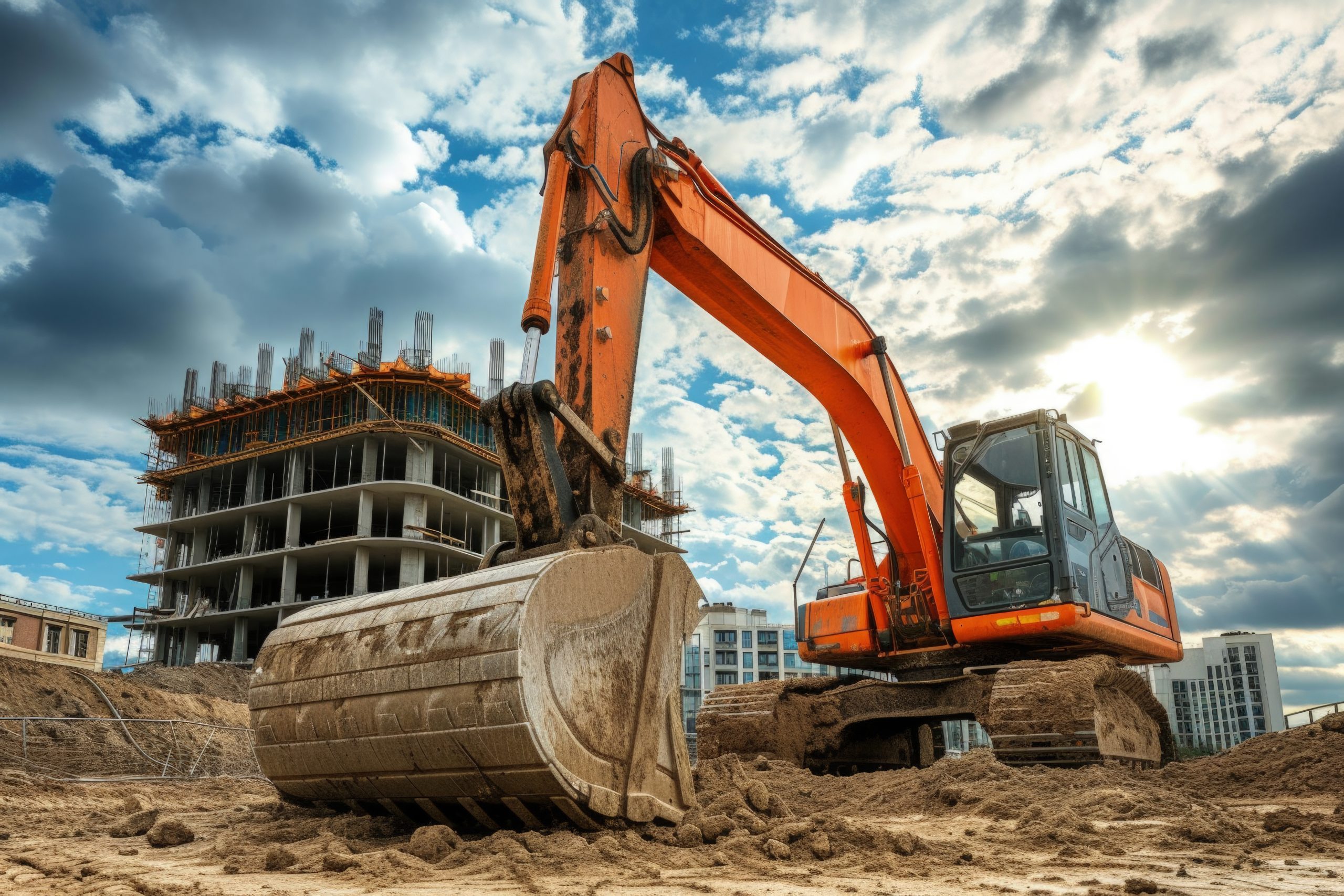
Groundwork refers to the vital preparation and foundational tasks undertaken in the early stages of a project to ensure its success. These tasks help prepare the land and make sure the site is ready for construction to start. In construction, groundwork specifically includes activities such as site clearance, soil testing, excavation, land levelling, drainage installation, and laying the foundations of a structure.
Proper groundwork is extremely important because it supports the structure’s strength, durability, and safety. If the foundation is laid poorly, it can cause structural issues later. Therefore, careful planning and skilled execution of the groundwork are crucial to ensure the lasting stability and reliability of any construction project.
Groundwork includes key steps to prepare the site for building. Each step helps ensure the land can safely support the structure.
Earthworks in groundworks refers to the engineering process of moving, removing, or adding large amounts of soil and rock during site preparation. This process includes shaping, compaction, and managing logistics to prepare a proper surface for construction. Earthwork is a critical early-stage process, often involving cut-and-fill operations, grading, and soil compaction, which create a level, stable foundation for buildings, roads, and drainage systems.
Drainage used for removing surface and subsurface water from an area through pipes, drains, and other methods ditches. It can prevent flooding, erosion, and waterlogging. Effective drainage is essential for managing stormwater, sewage, and ground stability in urban and rural environments. If drainage is not installed properly, water can weaken the ground and cause future structural issues. So, making sure drainage systems are done correctly is very important for groundwork.
One of the main and critical parts of any construction project is building a foundation. A strong foundation forms a stable base on which you can build the rest of the structure. The base can distribute the structure’s weight evenly across the ground. This prevents uneven settlement and ensures the building remains stable over time. There are many types of foundations, each suited to specific soil conditions and the size and type of construction. You need to hire a skilled professional to build a strong foundation on which you can construct the structure you want.
Retaining walls typically require a blend of skills from multiple trades, with masonry and carpentry often involved in their construction. However, the responsibility for handling soil, materials, and structural supports usually falls to the groundworks team. Whether built for decorative appeal or safety, retaining walls are a standard element in groundworkers’ toolkits.
Hard landscaping involves building solid surfaces such as patios, driveways, and walkways. It also encompasses structures such as retaining walls. These tasks require meticulous planning and execution because they involve using materials such as concrete, stone, and brick. The surfaces need to be level and stable to avoid safety hazards.
Groundwork involves several key stages that prepare the construction site and ensure it is safe and stable for building work.
Site preparation is the first step, involving the clearance of obstacles such as trees, rocks, and old structures. During this phase, contractors also assess understanding of the site’s potential hazards, such as environmental contamination and underground utilities. To ensure safety and stability, you need to ensure your site is free of these issues.
Excavation involves digging and removing soil, rock, or other ground materials to create cavities, trenches, or open faces. This process is essential for various construction tasks, such as building foundations or laying utilities, as well as for archaeological work. If you plan and carry out the excavation appropriately, you can ensure site stability and prevent potential collapses.
Grading involves shaping, levelling, or sloping the ground to establish a solid base for construction projects. Effective grading directs rainwater and surface runoff away from structures, minimising the chances of flooding, decay, and water damage. This vital process sets the stage for a secure and durable building.
Installation of underground utilities is the critical phase of construction in which essential infrastructure is laid beneath the ground. These essentials include:
These systems are vital for the building’s operation and the surrounding infrastructure. When installed correctly, they support efficient water flow and reliable energy distribution, playing a key role in the project’s long-term performance and sustainability.
With quality groundwork, you can build a strong foundation for your building and also provide many other benefits for the structure. These perks comprise:
Improved safety: During construction, you can reduce the risk of accidents and injuries by preparing the site and ensuring a solid foundation.
Increased stability: Proper groundwork lays a strong foundation, ensuring that the building remains stable and secure. It also minimises the risk of settling, shifting, or other movements that could lead to structural damage.
Longer lifespan: If your structure is built on a strong, well-prepared foundation, it will be more durable and typically need fewer repairs over its life.
Enhanced aesthetics: A well-prepared site and properly constructed foundations can improve your building’s overall appearance. They also give your building a more polished, visually appealing appearance.
Despite its significance, groundwork can present several challenges during construction projects.
Utility strikes occur when underground pipes or cables, such as gas, water, electric, or fibre, are damaged during excavation. These incidents frequently happen due to poor planning or inadequate detection of underground infrastructure. Utility strikes can pose serious safety risks, including electrocution and explosions, and may lead to significant financial setbacks, project delays, and service interruptions. Preventing these incidents demands thorough utility mapping, the use of ground-penetrating radar (GPR), and strict adherence to safe excavation procedures.
Weather can be a major obstacle to groundwork, leading to delays, increased costs, and safety risks. Because groundwork requires direct contact with soil and open terrain, conditions such as heavy rain, snow, or extreme temperatures can quickly transform a construction site into a muddy mess.
Mistakes in the technical design or planning are ranked among the most serious risks in construction. These errors can lead to structural instability, cost overruns, and project delays. Design issues often arise from insufficient site surveys, poor planning, or miscommunication between geotechnical engineers and structural designers, and inaccurate soil assessments.
Groundwork is the first stage of construction, encompassing excavation, site preparation, and foundation work. This stage is inherently high-risk and unpredictable. Challenges, including site limitations and on-site hazards, can easily lead to project delays, budget increases, and safety issues.
Groundworks form the backbone of any construction project. From site preparation and excavation to grading, drainage, and foundation laying, every step is essential for creating a stable, safe, and long-lasting structure. Solid groundwork not only guarantees structural integrity and safety but also enhances efficiency and cuts long-term upkeep costs. Careful planning, skilled execution, and modern techniques can help mitigate risks in the groundwork and ensure the project’s success.