
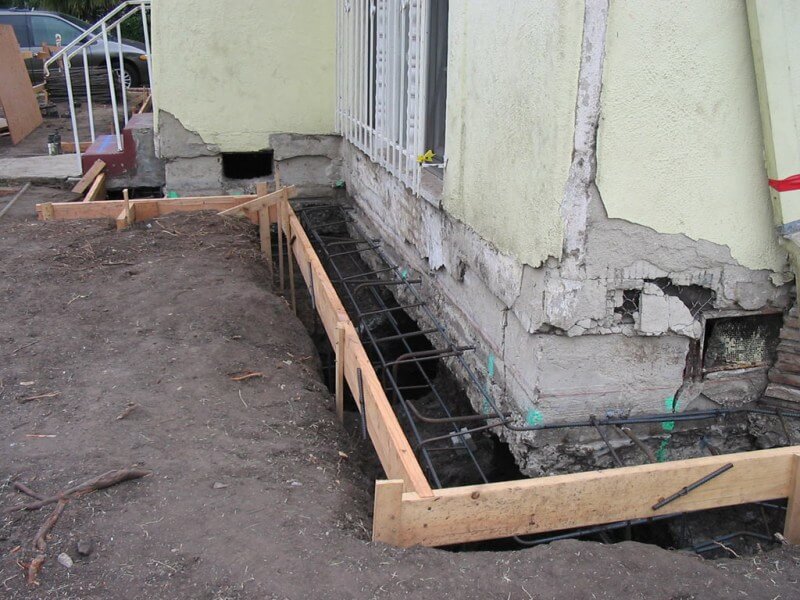
Underpinning is a construction method used to strengthen, stabilise, or deepen the foundations of an existing building. It is usually needed when a property’s foundations are weak, damaged, moving, or no longer suitable for the structure above. Common reasons include subsidence, soil movement, poor original foundations, nearby excavation, tree root damage, or extra load from extensions and renovations.
Underpinning is the process of strengthening or extending the foundations of an existing building. It is used when the current foundations are no longer strong enough, stable enough, or deep enough to support the structure safely. In simple terms, underpinning gives a building better support from below, which is useful because buildings, unlike certain decision-makers, should not be left standing on weak foundations.
A property may need underpinning because of subsidence, soil movement, poor original construction, changes in ground conditions, nearby excavation, water damage, tree roots, or extra structural load. It is also used when basements are added or when an existing building needs deeper foundations for renovation or extension work.
Underpinning is not a quick cosmetic repair. It is a structural solution. The aim is to transfer the weight of the building onto stronger ground or a more reliable support system. When carried out correctly, it can help stop movement, reduce cracking, protect the structure, and make the building safer for long-term use.
For homeowners, underpinning can sound worrying. Nobody enjoys hearing that their house may need foundation work. It has the same emotional charm as opening a bill you already know will be unpleasant. However, underpinning is a recognised and effective method when the issue is properly investigated, designed, and completed by experienced professionals.
Underpinning is usually needed when the existing foundation can no longer do its job properly. Foundations are meant to spread the weight of a building into the ground below. If the ground becomes unstable or the foundation is too shallow, damaged, or overloaded, the building can begin to move.
The most common reasons include:
In older properties, the original foundations may not meet modern expectations. Some buildings were built with shallow strip foundations, especially where ground conditions were once considered stable. Over time, changes in moisture levels, nearby trees, drainage, or surrounding development can affect the soil and expose those weaknesses.
Underpinning may also be required when a building is being altered. For example, if a homeowner wants to add another storey, build an extension, or create a basement, the existing foundation may need strengthening to carry the additional load.
Subsidence is one of the main reasons that underpinning may be required. It happens when the ground beneath a building sinks or shifts, causing the property to move downward. This can create cracks in walls, uneven floors, sticking doors, and visible gaps around windows or frames.
Not every crack means subsidence. Buildings naturally expand and contract, and minor cracks can appear for harmless reasons. But wider cracks, diagonal cracks, cracks that keep growing, or cracks around doors and windows should be investigated properly. Because guessing with structural problems is how people turn “small issue” into “expensive documentary episode.”
Underpinning is only recommended after a professional assessment. However, there are signs that may suggest foundation movement or structural instability.
Common warning signs include:
The key issue is movement. A small hairline crack may not be serious, but a crack that grows, spreads, or reappears after repair should not be ignored. If the movement is active, cosmetic repairs will not solve the underlying problem.
Underpinning works by transferring the building’s load to stronger, deeper, or more stable ground. The exact method depends on the property, soil type, depth of existing foundations, cause of movement, and structural requirements.
The process usually begins with a site inspection and investigation. A structural engineer may assess the cracks, ground conditions, drainage, soil type, and existing foundation depth. Trial pits may be dug to expose the foundation and understand what is happening below ground.
Once the cause is confirmed, an underpinning method is designed. The work is then carried out in controlled sections to avoid destabilising the building. This staged approach is important because removing too much ground at once can make the problem worse. And since the aim is not to recreate a controlled collapse for dramatic effect, careful sequencing matters.
The building is supported while new foundation sections are installed beneath or alongside the existing foundation. Once complete, the structure has a stronger base and improved stability.
There are several underpinning methods. The right one depends on the building and the ground conditions.
Mass concrete underpinning is one of the traditional methods. It involves excavating sections beneath the existing foundation and filling them with concrete. This extends the foundation deeper until it reaches stable ground.
The work is done in small sections called pins. Each section is excavated, inspected, filled with concrete, and allowed to cure before the next section is completed.
This method is commonly used for shallow foundations where suitable bearing ground is not too deep.
Advantages include:
Beam and base underpinning is a more modern method. It involves installing a reinforced concrete beam below, above, or beside the existing foundation. The beam transfers the building load onto concrete bases or pads placed at suitable points.
This method can be useful where loads need to be spread more efficiently. It may also reduce the amount of excavation compared with traditional mass concrete underpinning.
Advantages include:
Mini-piled underpinning is used when strong ground is much deeper or when surface soil is poor. Small-diameter piles are driven or drilled deep into the ground, transferring the building load to stronger layers below.
This method is often used where access is limited, ground conditions are difficult, or traditional underpinning would require excessive excavation.
Advantages include:
Resin injection is a less invasive method in some cases. Expanding resin is injected into the ground beneath the foundation to improve soil strength and fill voids. As the resin expands, it can help stabilise the ground and reduce movement.
This method is not suitable for every foundation issue, but it can work where the problem involves voids, weak soil, or localised settlement.
Advantages include:
May not replace structural underpinning where deep support is needed
Before underpinning begins, a proper assessment is essential. This may include:
A structural engineer may prepare calculations and drawings. Building control approval may also be needed, depending on the project. If the property is attached to another building, party wall matters may apply.
Planning permission is not always required for underpinning, but related works such as basement excavation or external changes may need consent. Listed buildings and conservation areas may involve additional restrictions.
The timeframe depends on the size of the property, the underpinning method, ground conditions, access, and complexity of the work.
Small localised underpinning work may take a few weeks. Larger projects can take several months, especially where deep excavation, piling, drainage repairs, or structural alterations are involved.
The process may include investigation, design, approvals, excavation, concrete curing, inspections, reinstatement, and finishing works. The actual construction work is only one part of the timeline.
Underpinning can be disruptive, especially if excavation is needed close to the property. There may be noise, dust, restricted access, exposed ground, and temporary support systems. Internal floors, patios, driveways, or landscaping may need to be opened up.
However, the level of disruption depends on the method used. Mini-piling and resin injection may reduce disruption in some cases, while mass concrete underpinning can involve more excavation.
A good contractor will plan the sequence carefully, protect the property where possible, and explain what areas will be affected before work begins.
Underpinning can affect property value and insurance, but not always negatively. A property with unresolved subsidence may be difficult to sell or insure. A properly underpinned property with documentation, engineering approval, and completion records may be more reassuring than one with hidden or untreated movement.
However, buyers and insurers may still ask questions. Important documents include:
The key is transparency. A properly repaired and documented issue is far better than mystery cracks and vague explanations from someone pretending “it’s always been like that.”
Underpinning costs vary significantly depending on the method, depth, access, building size, soil conditions, and the extent of foundation movement. Small localised works may cost several thousand pounds, while larger or complex projects can cost much more.
Factors affecting cost include:
Mini-piling and specialist systems usually cost more than basic shallow mass concrete underpinning. However, the cheapest method is not always the right method. Foundation work is not the place to shop like you are comparing toaster prices.
Underpinning should be carried out by experienced groundworks, foundation, or structural repair specialists. The design should usually involve a qualified structural engineer, especially where movement, load transfer, or deep foundations are involved.
A and M Groundworks can support projects that require professional groundworks knowledge, careful foundation preparation, and site-based structural support solutions.
The contractor should understand excavation safety, load sequencing, concrete works, drainage risks, soil behaviour, and building control requirements. Poor underpinning can create more problems than it solves, which is a spectacularly expensive way to learn a lesson.
In some cases, yes. In others, temporary relocation may be safer or more practical. It depends on the extent of work, the rooms affected, the services involved, noise levels, and safety risks.
If underpinning is external and localised, the property may remain habitable. If floors need to be lifted, walls opened, utilities adjusted, or deep internal excavations carried out, living there may be difficult.
The contractor and engineer should advise before work begins.
Not all foundation issues can be avoided, but good property maintenance helps reduce risk.
Underpinning is a foundation-strengthening method used when a building’s existing foundations are weak, shallow, damaged, or affected by ground movement. It can help stabilise a property, stop further movement, and support additional structural loads.
The most common reasons for underpinning include subsidence, soil shrinkage, leaking drains, poor original foundations, nearby excavation, tree root activity, and building alterations. The main methods include mass concrete underpinning, beam and base underpinning, mini-piled underpinning, and resin injection.
The right solution depends on the cause of the problem. That is why an investigation is essential before any work starts. Underpinning is serious structural work, not a decorative upgrade, and it should be designed and carried out by qualified professionals.
If a building is showing signs of foundation movement, the best step is to get it inspected early. Small movement problems can become larger and more expensive if ignored. Foundations may be hidden underground, but when they start failing, they make themselves known in very visible ways.
Underpinning is a construction process used to strengthen, stabilise, or deepen the foundations of an existing building. It helps transfer the building’s weight to stronger or more stable ground.
A house may need underpinning because of subsidence, weak foundations, soil movement, leaking drains, nearby excavation, tree roots, or extra load from an extension or structural alteration.
Signs may include wide cracks, diagonal cracking around doors or windows, sticking doors, sloping floors, gaps around frames, or repeated cracking after repair. A structural engineer should confirm whether underpinning is needed.
The main types include mass concrete underpinning, beam and base underpinning, mini-piled underpinning, and resin injection. The best method depends on soil conditions, foundation depth, access, and structural needs.
Underpinning can permanently stabilise a building when the cause of movement is correctly identified and treated. If the underlying cause, such as drainage failure or tree-related soil movement, is ignored, problems may continue.